Choosing Long-Lasting Tote Bags: Materials, Durability, and Design
In an era increasingly focused on deliberate purchasing and sustainable wardrobe choices, selecting accessories built to withstand years of daily use is both practical and environmentally conscious. A well-made bag should not suffer from frayed stitching, peeling synthetic surfaces, or broken hardware after just a few months of regular carrying.
Understanding the structural characteristics, material qualities, and crafting techniques behind durable Tote Bags empowers consumers to make informed choices. Evaluating how different components age over time helps you invest in pieces that offer long-term utility and timeless style.
Evaluating Key Materials: Natural Leathers, Canvas, and Synthetics
The primary fabric of any bag dictates its weight, appearance, weather resistance, and maintenance requirements. Each material option brings unique performance characteristics to daily use.
Full-Grain and Vegetable-Tanned Leathers
Leather remains a benchmark material for long-lasting carryalls due to its tensile strength and graceful aging process. Full-grain leather retains the outermost layer of the hide, showcasing natural grain patterns while offering maximum durability against tears and punctures. Vegetable-tanning methods use natural plant tannins to cure the leather, creating a material that develops a rich, personalized patina over time. Unlike cheap synthetic alternatives that crack and peel, quality leather improves in character with age and can be conditioned repeatedly to restore its luster.
Heavy-Duty Cotton Canvas and Technical Weaves
For those seeking lightweight or non-leather alternatives, heavy-gauge cotton canvas—such as number duck or industrial-grade twill—provides exceptional durability. High-density canvas resists abrasion and holds up remarkably well under heavy loads. Modern waxed canvas introduces water resistance while giving the fabric a rugged, character-rich finish. On the technical side, ballistic nylon and cordura fabrics offer high strength-to-weight ratios, making them ideal for rain exposure and heavy urban use.
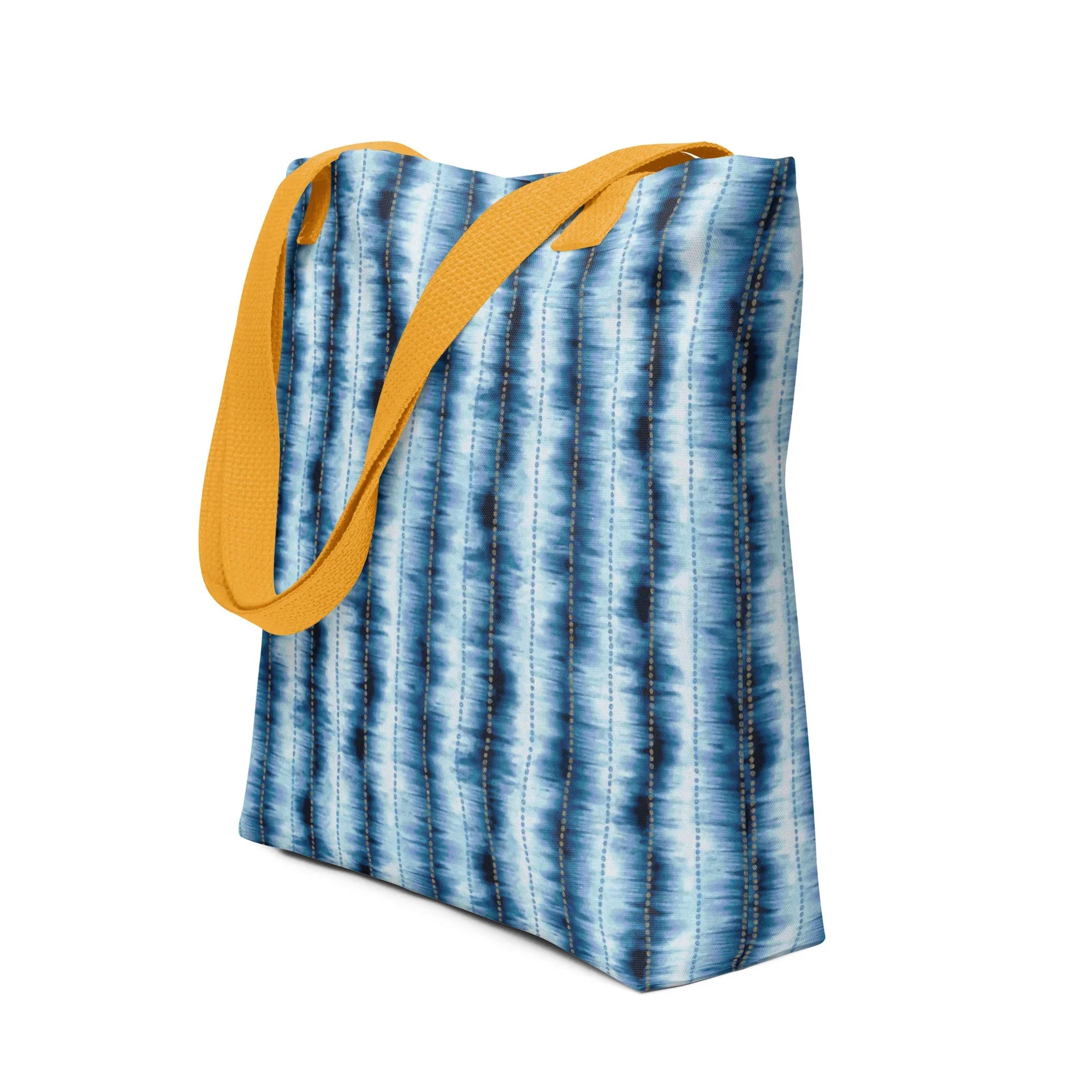
Structural Integrity: Construction Details that Matter
A bag's durability depends heavily on construction details. Inspecting seam finishing and stress point reinforcements reveals whether a bag is crafted for longevity or short-term use.
Reinforced Handle Attachments and Stitching Standards
The junction where the handles attach to the main body endures the highest concentration of weight stress. Quality construction uses reinforced box-x stitching, heavy-duty bonded nylon thread, or solid brass rivets to anchor the straps securely. Single-line stitching with thin thread is prone to snapping under heavy weight. Double-layered handle straps prevent stretching, ensuring the straps retain their structure even when carrying heavy equipment.
Base Construction and Protective Hardware
The bottom base of a bag endures constant friction when placed on desks, floors, and transit seats. A double-layered or padded base panel provides structural support, keeping the bottom from sagging awkwardly over time. Metal base feet—small metal studs raised slightly off the ground—protect bottom fabrics from damp surfaces, dirt, and direct abrasive contact, significantly extending the bag's lifespan.
Assessing Internal Functional Design and Hardware Quality
Exterior durability must be matched by high-performing interior linings and reliable metal hardware. Weak internal components can ruin an otherwise sturdy bag.
Hardware Selection: Zippers, Clasp Mechanisms, and Rings
Zippers are often the first component to fail on poorly made bags. Look for heavy-duty metal zippers or industry-standard coil zippers with smooth action and sturdy pull tabs. Cast brass, stainless steel, or solid zinc alloy hardware holds up against corrosion, bending, and snapping far better than cheap hollow metals or plastic clips. Smoothly operating hardware makes daily access effortless and reliable.
Interior Lining Resilience and Pocket Layouts
A fragile lining fabric can tear easily when sharp objects like keys, pens, or metal file folders are dropped inside. High-density cotton twill, durable nylon, or wipeable synthetic linings protect the interior walls from punctures and spills. Well-anchored internal pockets—sewn directly into structural seams rather than floating loosely—keep weight distributed evenly across the frame. When selecting everyday Tote Bags, checking interior seam binding ensures threads will not unravel after months of use.
Essential Care Practices to Extend Bag Longevity
Even the highest quality materials require basic maintenance to perform at their best over many years of service.
Proper Storage Techniques
When not in active use, store your bags upright in breathable dust covers made of cotton or soft flannel. Avoid plastic storage bags, which can trap ambient moisture and lead to mildew growth or leather degradation. Stuffing the interior with acid-free tissue paper helps maintain the bag’s original shape, preventing deep creases or structural sagging across unused seasons.
Routine Material Care and Spot Treatment
Treating leather periodically with quality creams or balsam conditions the fibers and keeps them supple. Canvas bags benefit from occasional spot cleaning with a soft brush and lukewarm water. Reapplying reproofing wax to waxed canvas gear restores weatherproofing every few years. Taking quick action on small stains prevents them from setting permanently into the fabric.
Building a Quality-Focused Accessories Collection
Prioritizing durability, fine craftsmanship, and thoughtful material selection over short-lived trends ensures your wardrobe remains functional and stylish. Choosing well-made pieces reduces consumption waste while providing reliable performance for your daily routine. By focusing on proven construction techniques and timeless design choices, you build an accessories collection that serves you reliably for years to come.