The Environmental Impact of Fire Extinguisher Recycling
Protecting the environment is a major factor in determining how to get rid of an extinguisher properly. Fire extinguishers are made of valuable metals like steel and aluminum, but they also contain chemical agents that can be harmful if they leak into the ground. Recycling these units ensures that these materials are handled with the care they deserve.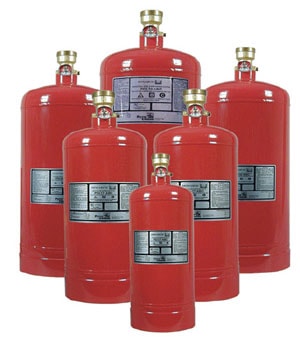
The Problem with Landfill Disposal
When a fire extinguisher ends up in a landfill, it becomes a ticking time bomb. The pressure inside can eventually cause the cylinder to burst, especially when buried under tons of other waste. Furthermore, the dry chemicals used in many extinguishers can contaminate groundwater if the cylinder corrodes and leaks over several years in the soil.
Reclaiming Valuable Metals
The outer shells of fire extinguishers are high-quality metals that can be recycled infinitely. By choosing professional fire extinguisher disposal florida services, you ensure that these materials are returned to the manufacturing cycle. This reduces the need for mining new raw materials and lowers the overall carbon footprint of fire safety equipment.
Proper Chemical Management
The chemicals inside, such as monoammonium phosphate or CO2, require specific handling. CO2 must be vented in a controlled manner, while dry chemicals are often collected and processed for other industrial uses. Halon units are particularly critical, as the gas is a potent ozone-depleting substance that must be recovered by specialized equipment.
Supporting a Sustainable Fire Safety Industry
Choosing to recycle your fire equipment supports a circular economy. Professional facilities often refurbish older units that are still in good structural condition. This process involves stripping the old paint, testing the cylinder's strength, and refilling it with fresh agents, giving the unit a second life and reducing industrial waste.
The Role of Hydrostatic Testing
A key part of the recycling and disposal process is hydrostatic testing. This test checks the integrity of the cylinder under high pressure. If a unit passes, it may be eligible for refurbishment. If it fails, it is immediately decommissioned and sent to a metal recycler, ensuring that no weakened cylinders remain in the field.
Community Responsibility
Environmental safety is a collective effort. When residents and business owners choose professional disposal over the trash bin, they are actively protecting Florida's unique ecosystem. Local service providers make this easy by offering convenient drop-off points and expert advice on the most eco-friendly ways to manage outdated fire safety gear.
Conclusion
Environmental stewardship and fire safety go hand in hand. By understanding the impact of your disposal choices, you can make decisions that protect both your immediate surroundings and the planet at large. Proper recycling ensures that hazardous chemicals are contained and valuable metals are reused, benefiting the community for years to age.
Ultimately, the goal is to leave a minimal footprint while maintaining maximum safety. Florida's recycling programs and professional fire equipment dealers provide the tools necessary to achieve this. By following these guidelines, you can rest assured that your old fire equipment is being handled in the most responsible way possible.